Welcome to a New York Minute, our interview series where we ask staff about their lives and their careers.
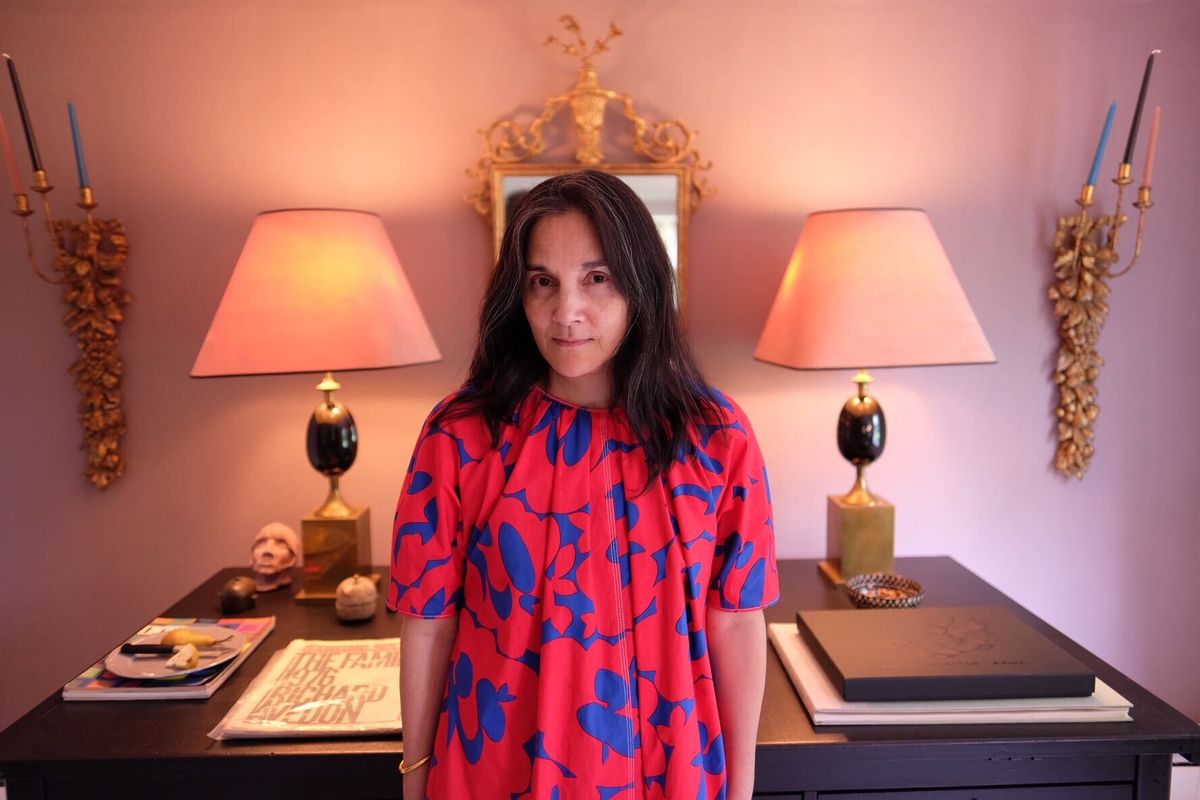 | ![]() | | Jody Quon | | | | A New York Minute With: Director of Photography Jody Quon | | The team of journalists at New York works hard to bring you conversation-starting stories. But who exactly are these editors and writers? Get to know them with a New York Minute, our interview series where we ask staff about their lives and their careers. Next up: director of photography Jody Quon. | | You joined New York Magazine in 2004 as photography director. What can you tell us about the driving questions that guide your work?
I am always looking for the new, new, new. New photographers, new ways to shoot subjects or ideas that are otherwise familiar. | | What’s one recent cover you’re especially proud of? What’s the story behind the image (or lack thereof)?
Lone Naked Cowboy and police officer on a horse in empty Times Square, photographed by Alexei Hay. Alexei rang me in March shortly after the lockdown with the idea of shooting classic portraits of the empty city from the elevated perspective of the top of a double-decker bus. The bus would take him all over the city, and he would shoot large-format. We couldn’t get our hands on a bus, but we did secure a truck with a cherry picker. | | Following the devastation of Hurricane Sandy in 2012, you directed one of New York’s most iconic covers, a helicopter image of the city veiled by darkness. Today, New York is the center of a different kind of crisis. How has your art direction shifted to meet the demands of the coronavirus pandemic?
This has been evolving. We are in large part doing the same thing we always do, with slight differences. Crises are hard, but they are also extraordinary for journalism, and I have been fortunate to have worked with amazing teams during 9/11 and Hurricane Sandy. That said, neither of those historic events had any impact on how we covered our stories in the way that this pandemic has. We were not in isolation! The question of remote portraiture has been interesting to think about. The Look Book is a simple example of how we have shifted. We figured out how to make very detailed tutorials for self-portraits. This has been fun to do. Before each shoot, we determine what the environment will be, what the wardrobe should be, and then we find a sample photo that best illustrates what we are looking for. And then we annotate it so that the assignment is essentially foolproof. Our maiden experiment was the Broadway series, and we were floored by the results. | | We are also figuring out different ways to shoot remotely. The whole exercise is refreshing. This new world eliminates the unnecessary and expensive financial baggage of catering, styling, studio rental, and even equipment (!) most of the time and brings us back to our roots. I also love that the geography factor has been eliminated as well. We shot Thomas Picketty in his Paris apartment last week while I was in my home in Long Island and the photographer in his apartment in New York City. And finally, we just completed an amazing shoot with pop star Kehlani, and it is even better than a classic celebrity portrait session, which usually involves the publicist standing between us and the subject, watching over every move. Here we have pure intimacy, which is what it should always be. This whole rethink is changing by the day — and will have inevitably evolved further once this piece is published. | | Our subscribers are crucial to helping us produce quality journalism. Consider signing up for a subscription to support our work. For $5/month, you’ll get unlimited access to everything New York, including The Cut, Vulture, Intelligencer, Grub Street, and the Strategist. | | | |